
Vibration & Mechanical Shock Test
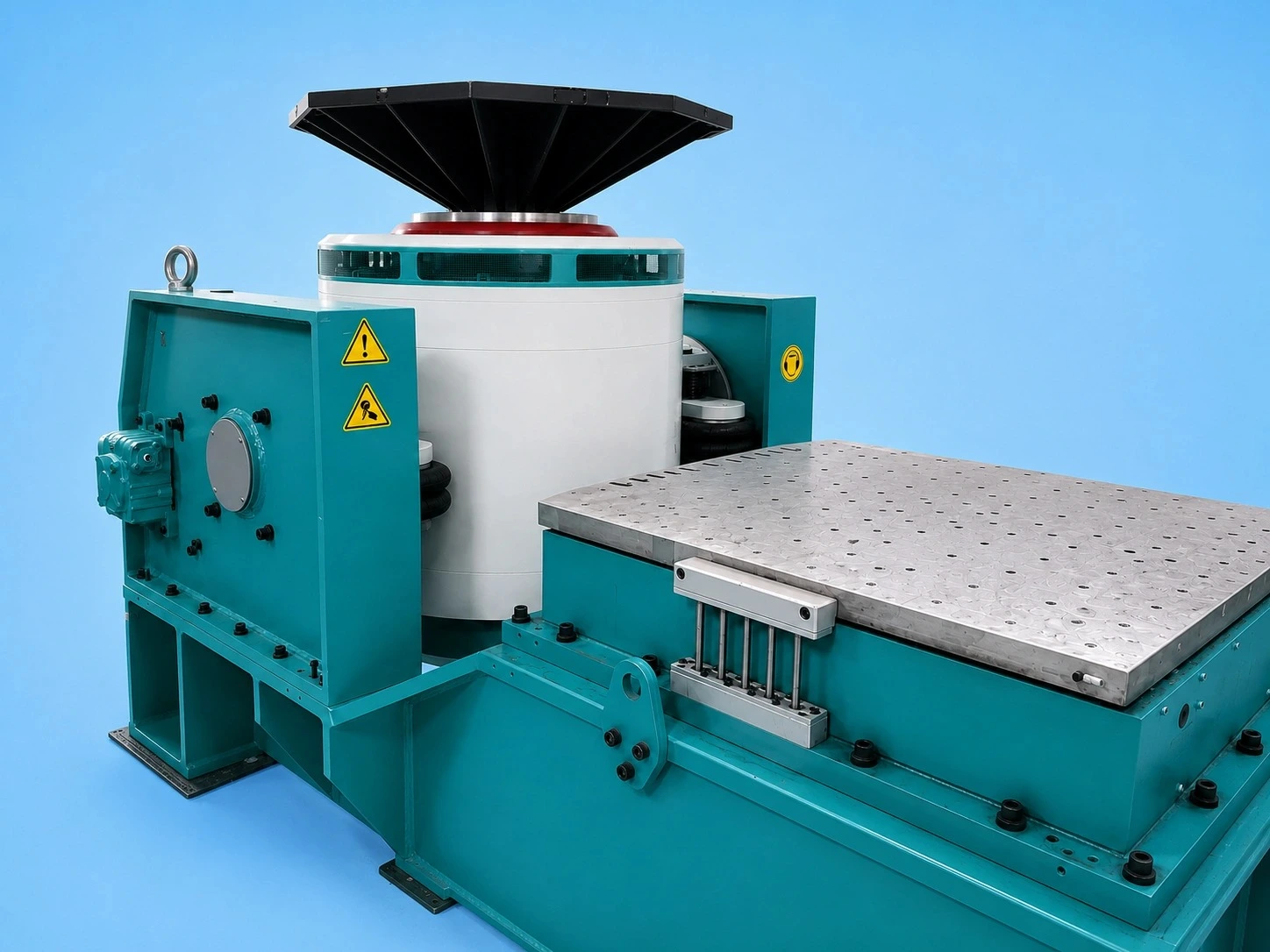
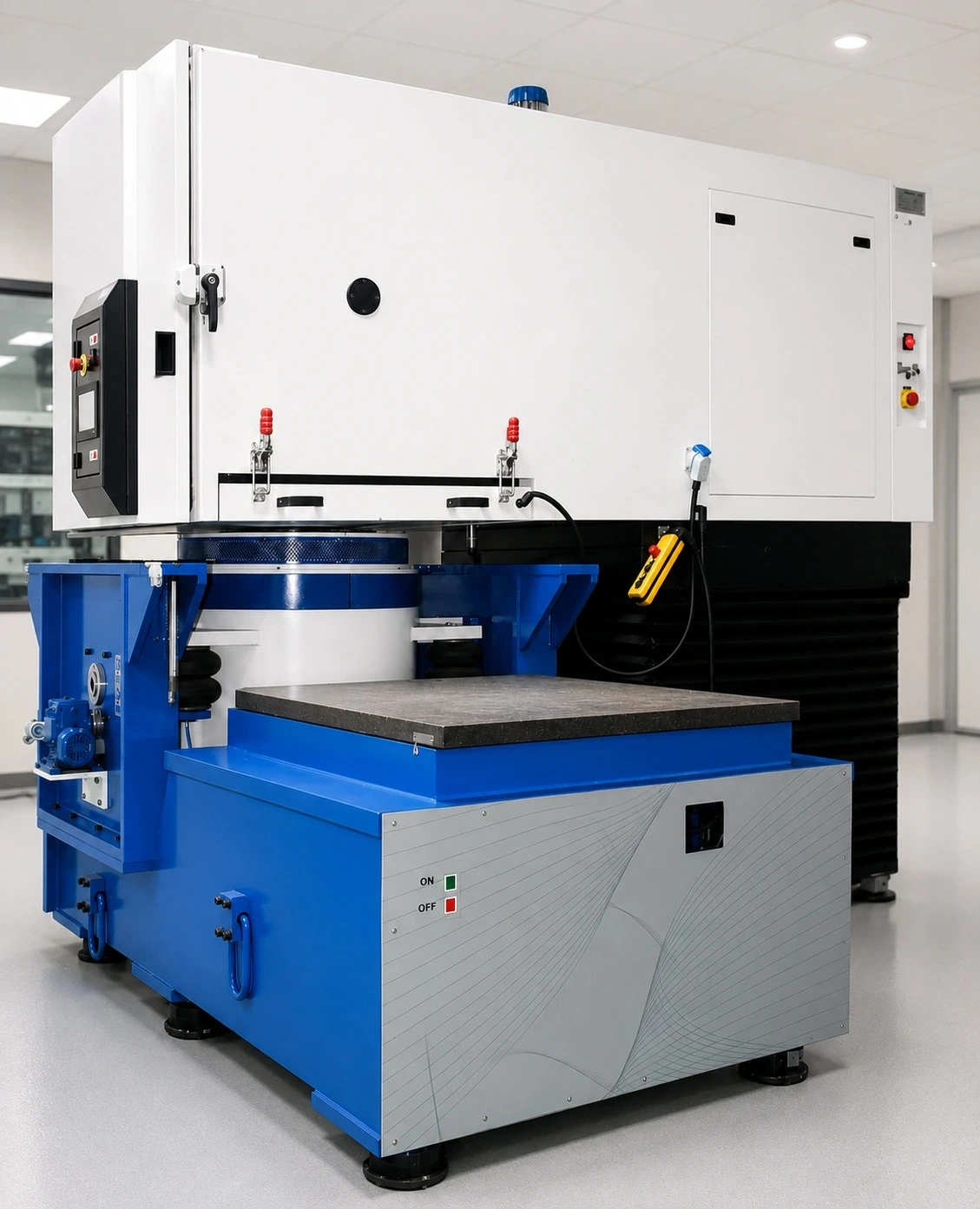
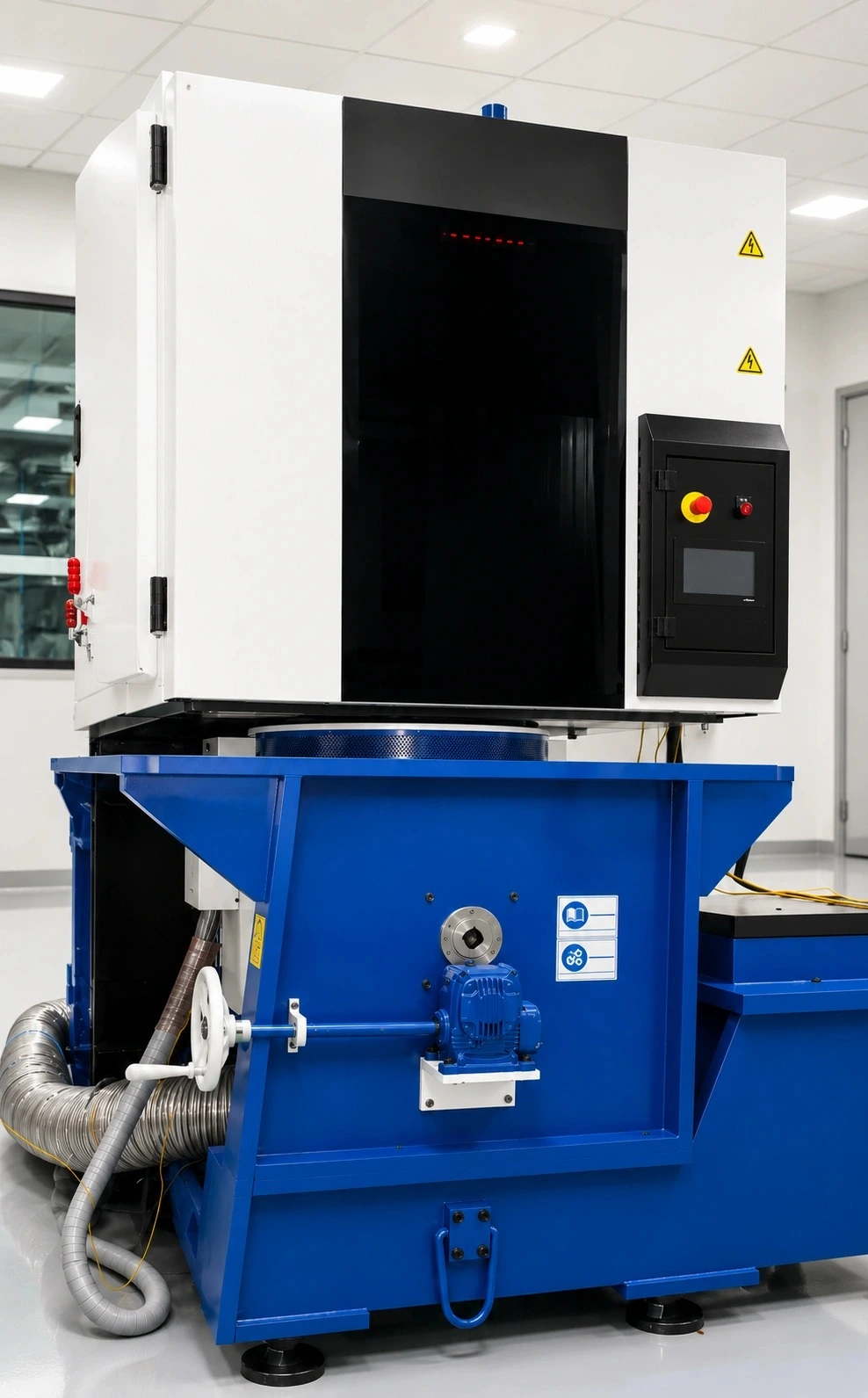
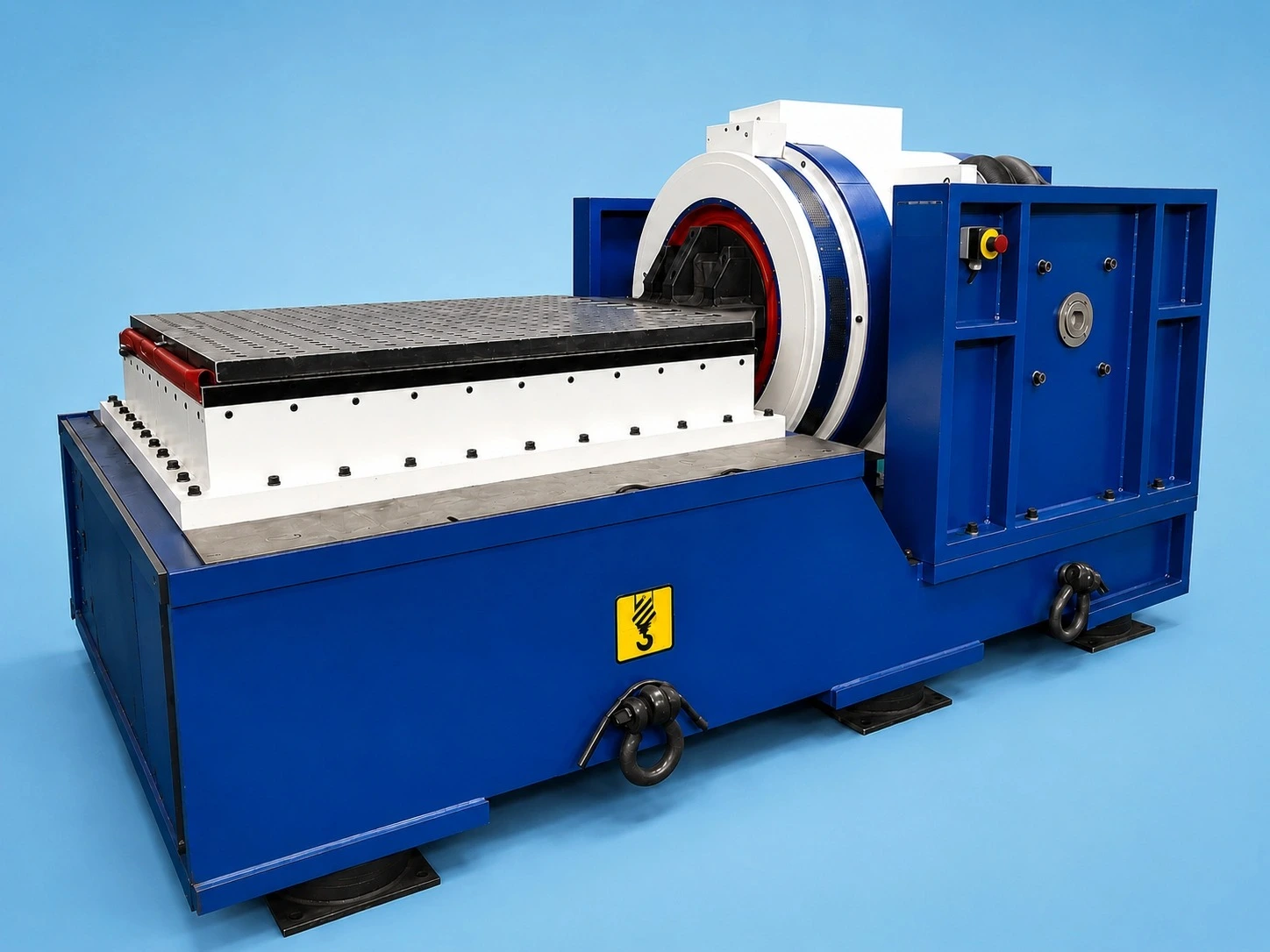
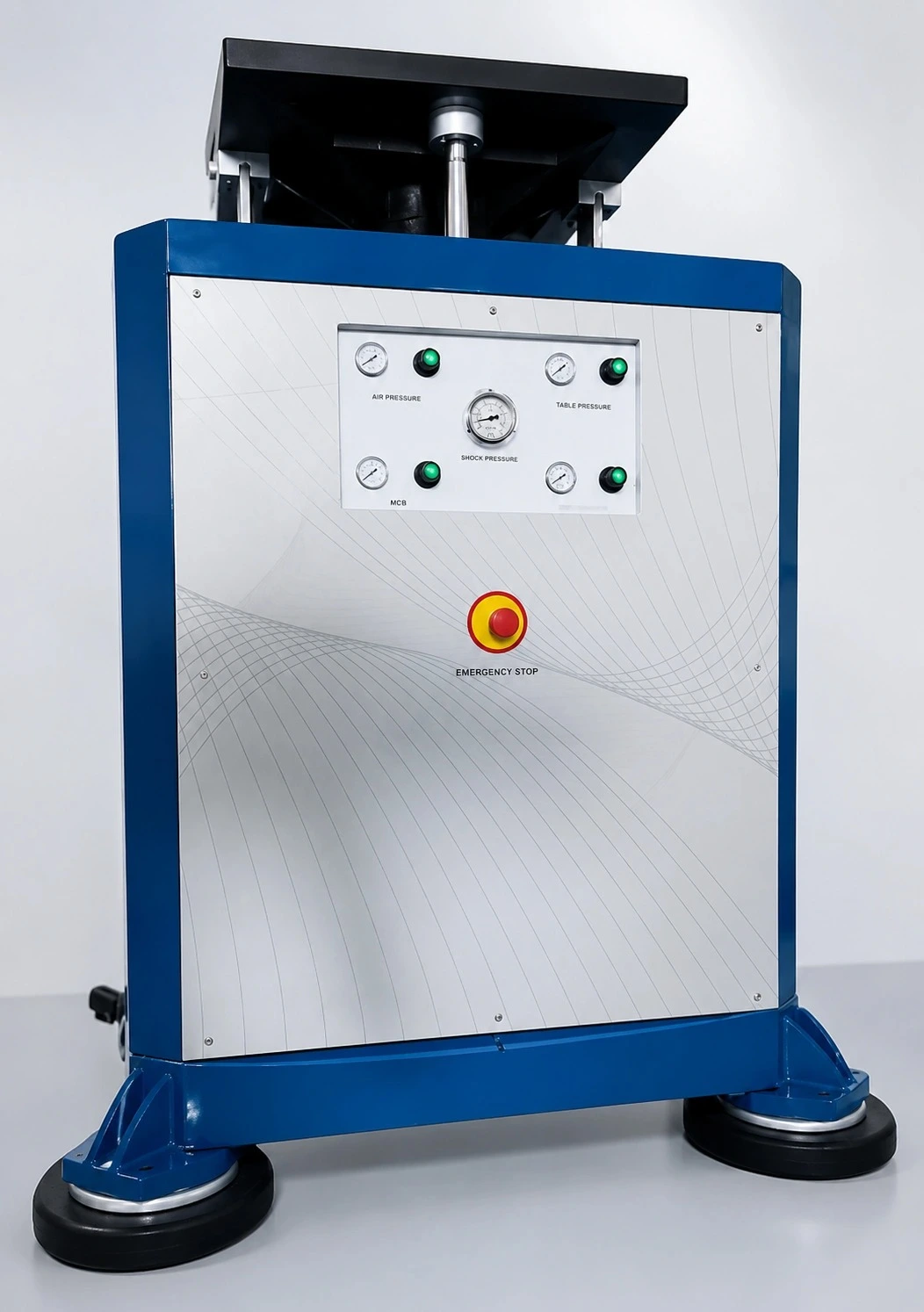
Specifications
| Vibration Shaker | |
|---|---|
| Total no. of shakers | 5 nos |
| Force range | Upto 5500kGf / 5.5 ton |
| Frequency range | 1Hz to 3000Hz |
| Acceleration range | Upto 100g |
| Velocity range | Upto 1.8 m/s |
| Displacement range | Upto 75mm peak to peak |
| Table dimension | 1000 by 1000 mm |
| Mechanical Shock Test Machine | |
| Acceleration range | Upto 200g |
| Waveform shape | Half sine |
| Pulse duration | 3 to 30ms |
| Payload Capacity | 200kg |
| Standard covered |
MIL-STD-810, JSS 55555, RTCA DO 160, ISO 16750-3, IEC 60068 series, ISO 20653, EIA 364 series, EN 2591 series |
Capability Highlights
- Wide frequency range and acceleration capability for simulating real-world dynamic conditions
- Precise control of vibration parameters (sine, random, shock) for accurate test execution
- High displacement capacity suitable for both small components and large assemblies
- Advanced shock testing capability with profiles like half-sine, sawtooth, and trapezoidal pulses
- High-performance shaker systems with efficient cooling for continuous and long-duration testing
- 24×7 continuous operation for endurance, fatigue, and reliability studies
- Real-time monitoring and data acquisition with complete traceability and reporting
Why SKC for Vibration & Mechanical Shock Testing
- Vibration & shock testing is designed to replicate real-world dynamic conditions with accuracy, consistency, and zero compromise.
- No compromise on test parameters such as acceleration (g), frequency range, displacement, shock pulse profiles, duration, or severity.
- Uniform shaker performance ensuring consistent excitation, repeatability, and reliable test results across all axes.
- Calibration through reputed and accredited organizations, supported by a robust internal calibration system to ensure accuracy of accelerometers, controllers, and DAQ systems.
- State-of-the-art shaker systems and controllers, maintained under AMC with continuous upkeep for stable and dependable performance.
- Capability to handle a wide range of test samples — from small components to large assemblies and systems with appropriate fixturing.
- Customized test profiles including sine, random, and shock (half-sine, sawtooth, trapezoidal) aligned with field and application conditions.
- Real-time monitoring with complete traceability, including data logging, control parameters, and test history for compliance and audit requirements.
- Strong expertise in fixture design and test setup, ensuring proper mounting, load distribution, and accurate test execution.
Case Studies
CASE STUDY- 1
Introduction- VIBRATION TESTING
To evaluate the durability and structural integrity of the EV Motorbike, we performed Random Vibration Test in accordance with ISO 16750-3:2023. The test simulated real-world road vibration conditions to assess the vehicle’s ability to withstand mechanical stresses encountered during its service life.
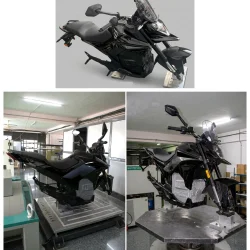
Vibration Testing
Objective
The objective of the test was to verify the vehicle’s resistance to vibration-induced mechanical failures by subjecting it to a specified random vibration profile in both X-axis and Z-axis directions. The evaluation focused on identifying potential weaknesses in structural components, mountings, brackets, and welded assemblies.
Key Result
During testing, our team observed several structural weak areas, including damage to the headlamp mounting brackets, auxiliary battery cover welds, tail stay assembly, rear indicator mounting, swing arm axle bolt, mirror mounting, and horn mounting bracket. The observations highlighted critical areas requiring design reinforcement to improve vibration durability and vehicle reliability under real-world operating conditions.
Conclusion
The vibration test successfully identified vibration-sensitive components and provided valuable inputs for design improvement. The results will support product optimization efforts aimed at enhancing the overall robustness, reliability, and durability of the EV Motorbike.
CASE STUDY- 2
Introduction- MECHANICAL SHOCK TEST
Mechanical Shock Testing is a critical reliability assessment performed to evaluate a product’s ability to withstand sudden and severe impact forces that may occur during transportation, handling, installation, or operational service conditions. The test helps identify potential structural weaknesses, ensuring that the product maintains its integrity and functionality when subjected to abrupt mechanical shocks.
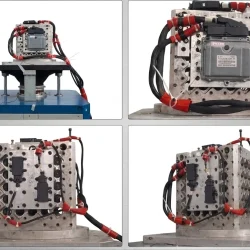
Mechanical Shock Test
Objective
The primary objective of the Mechanical Shock Test was to verify the structural robustness and mechanical durability of the ECUs when exposed to high-intensity shock loads. The samples were subjected to a half-sine shock pulse of 981 m/s² acceleration with an 11 ms pulse duration, applied in multiple directions and orientations to simulate real-world impact conditions. The evaluation aimed to confirm that the test samples could withstand the specified shock levels without exhibiting any physical damage or abnormalities.
Key Result
The Mechanical Shock Test was successfully completed with a total of 36 shock impacts applied to the test samples. Post-test inspection revealed no external damage, no structural defects, and no physical abnormalities in any of the tested units. The samples maintained their physical integrity throughout the test, demonstrating their capability to withstand the specified mechanical shock conditions and confirming the robustness of the product design against sudden impact loads.
Conclusion
Successfully completed with no external damage or physical abnormalities observed.