
Drop Testing, Toppling Testing & Bench Handling Testing
Specifications
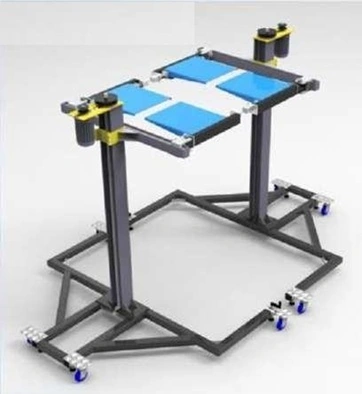
| Drop Test Machine | |
|---|---|
| Testing height (Drop height) | 350 mm (minimum) to 2000 mm (maximum) |
| Maximum sample dimensions | 800 × 1000 × 800 mm |
| Maximum sample weight | 300 kg |
| SL No. | Test Details | Standards Included |
|---|---|---|
| 1 | Drop Test / Transit Drop Test |
ASTM D5276 ASTM D4169 ASTM D7386 IEC 60945 (Clause 8.6) IEC 60068-2-32 ISTA 1A, 2A, 3A & 3B JIS C 0044 JIS Z0202 JSS 55400 JSS 55430 MIL-STD-202H (Method 203) JSS 55555 JSS-0256-01 USCAR-2 SAE J1455 LV214 VW 80332 GR-63-CORE DIN ISO 9022-3 GS 95006 B CS.00056 |
| 2 | Toppling Test |
IEC 60068-2-31 IEC 60068-2-32 JSS 5855-11 JSS-0256-01 JSS 55555 QM 333 |
| 3 | Bench Handling Test |
MIL-PRF-28800F (Clause 3.8.5.3) MIL-PRF-28800F (Clause 4.5.5.4.3) |
What is Drop Testing?
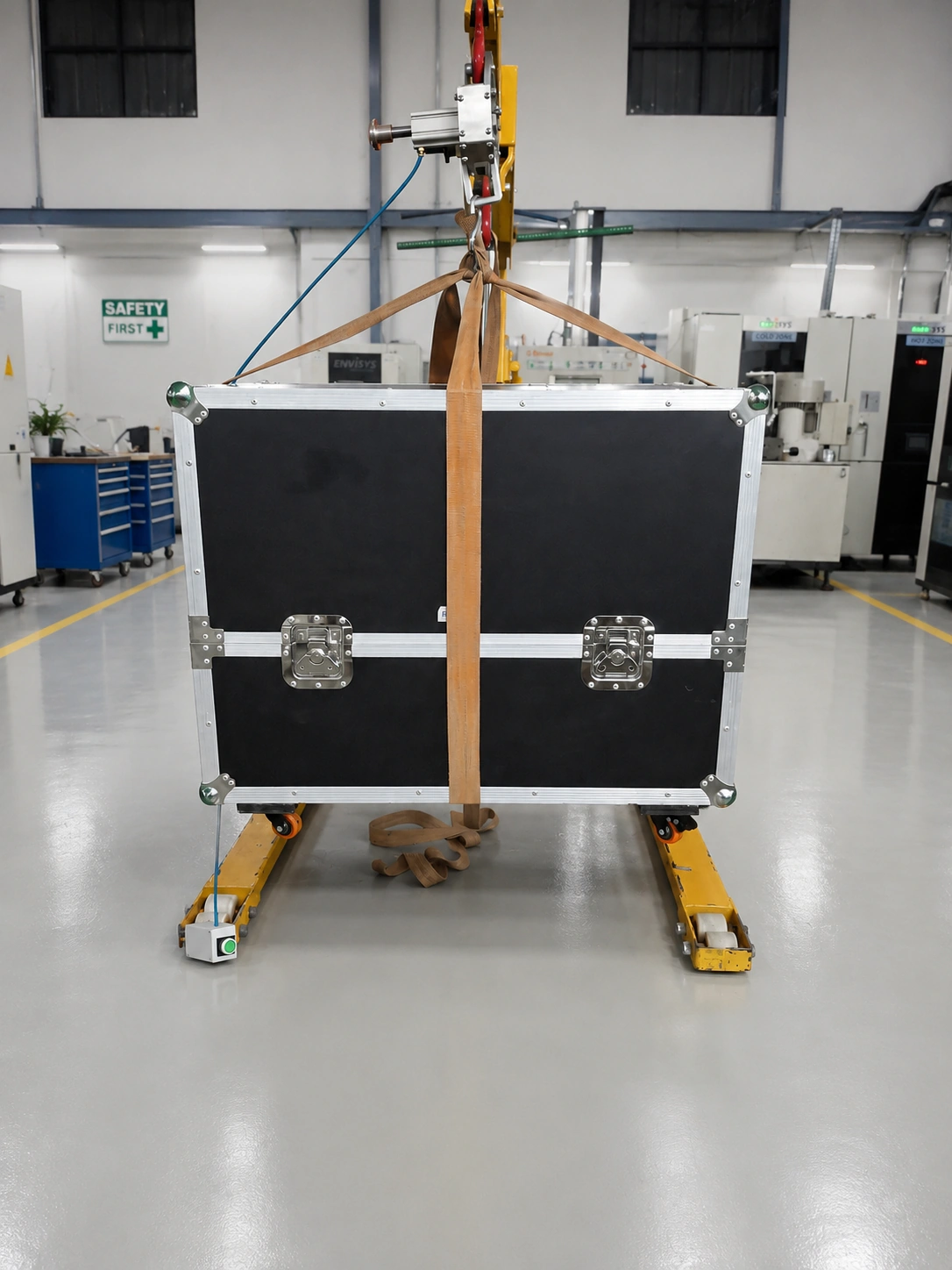
Drop Testing is a mechanical reliability test used to evaluate a product’s ability to withstand impact shocks resulting from accidental drops during handling, transportation or normal usage.
During the test, the product is dropped from a specified height onto a defined impact surface in multiple orientations and configurations as prescribed by applicable standards. The test helps determine whether the product can maintain its structural integrity and functional performance after experiencing sudden impact loads.
Drop testing is widely performed on:
- Electronic and electrical equipment
- Automotive components
- Aerospace and defence equipment
- Consumer products
- Medical devices
- Industrial control systems
- Packaging and shipping containers
Why is Drop Testing Required?
Drop testing helps manufacturers:
- Evaluate product resistance to accidental drops and impacts
- Verify product durability during transportation and logistics operations
- Identify design weaknesses and structural vulnerabilities
- Improve packaging effectiveness and protective materials
- Reduce product damage during shipment and handling
- Ensure compliance with customer and regulatory requirements
- Increase product reliability and customer satisfaction
What is Bench Handling Testing?
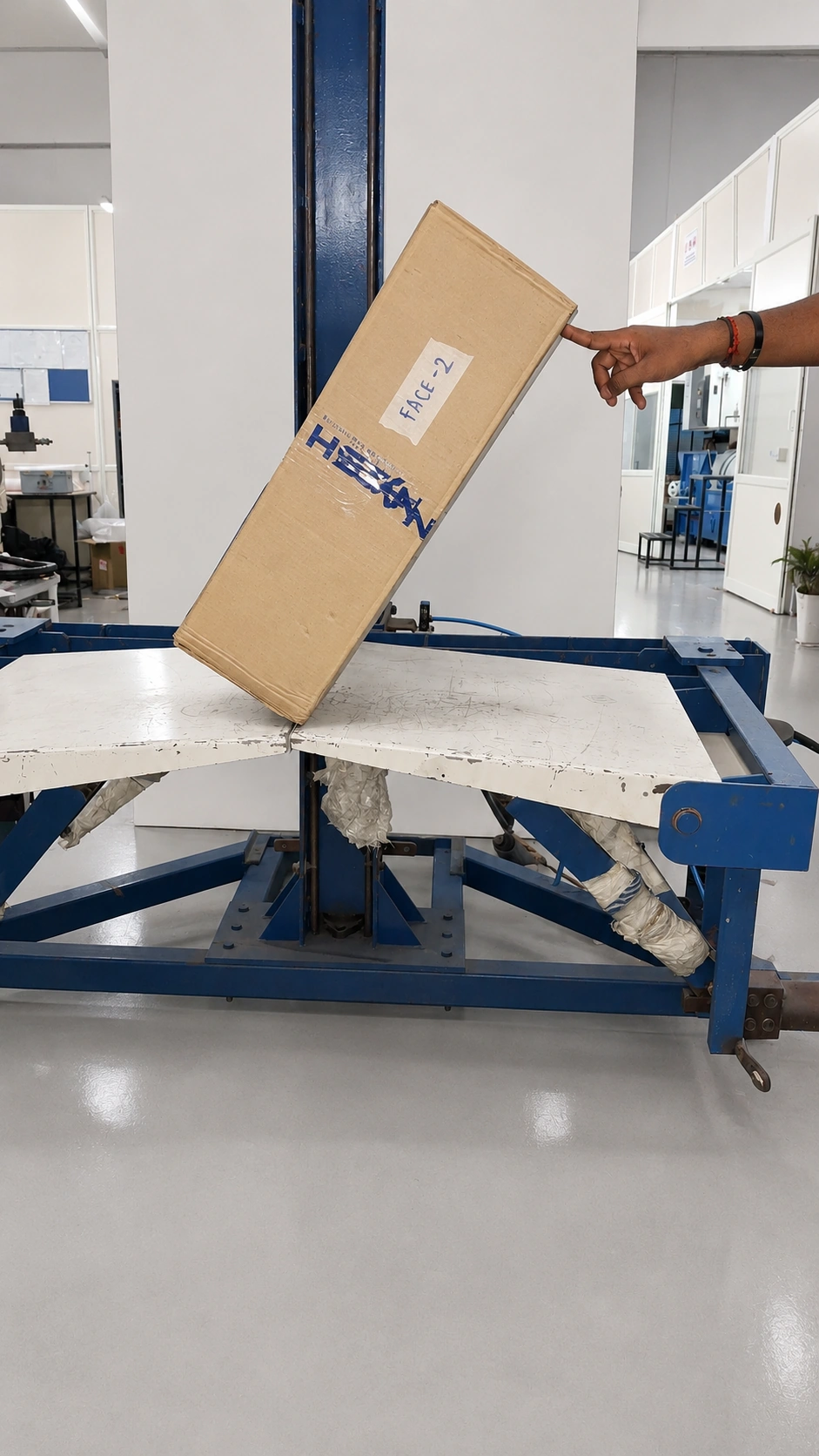
Bench Handling Testing is designed to simulate routine handling activities that occur during manufacturing, assembly, maintenance, transportation and installation processes.
The test subjects a product to various handling actions such as lifting, placing, pushing, pulling, rotating, tilting and controlled drops while evaluating its ability to withstand these mechanical stresses without damage or degradation in performance
Why is Bench Handling Testing Required?
Bench handling testing helps to:
- Validate product robustness during manufacturing and assembly operations
- Assess resistance to handling-induced mechanical stresses
- Minimize failures caused by improper handling
- Improve product design for field serviceability
- Verify compliance with military and industrial qualification requirements
- Enhance long-term reliability and operational performance
What is Toppling Testing?
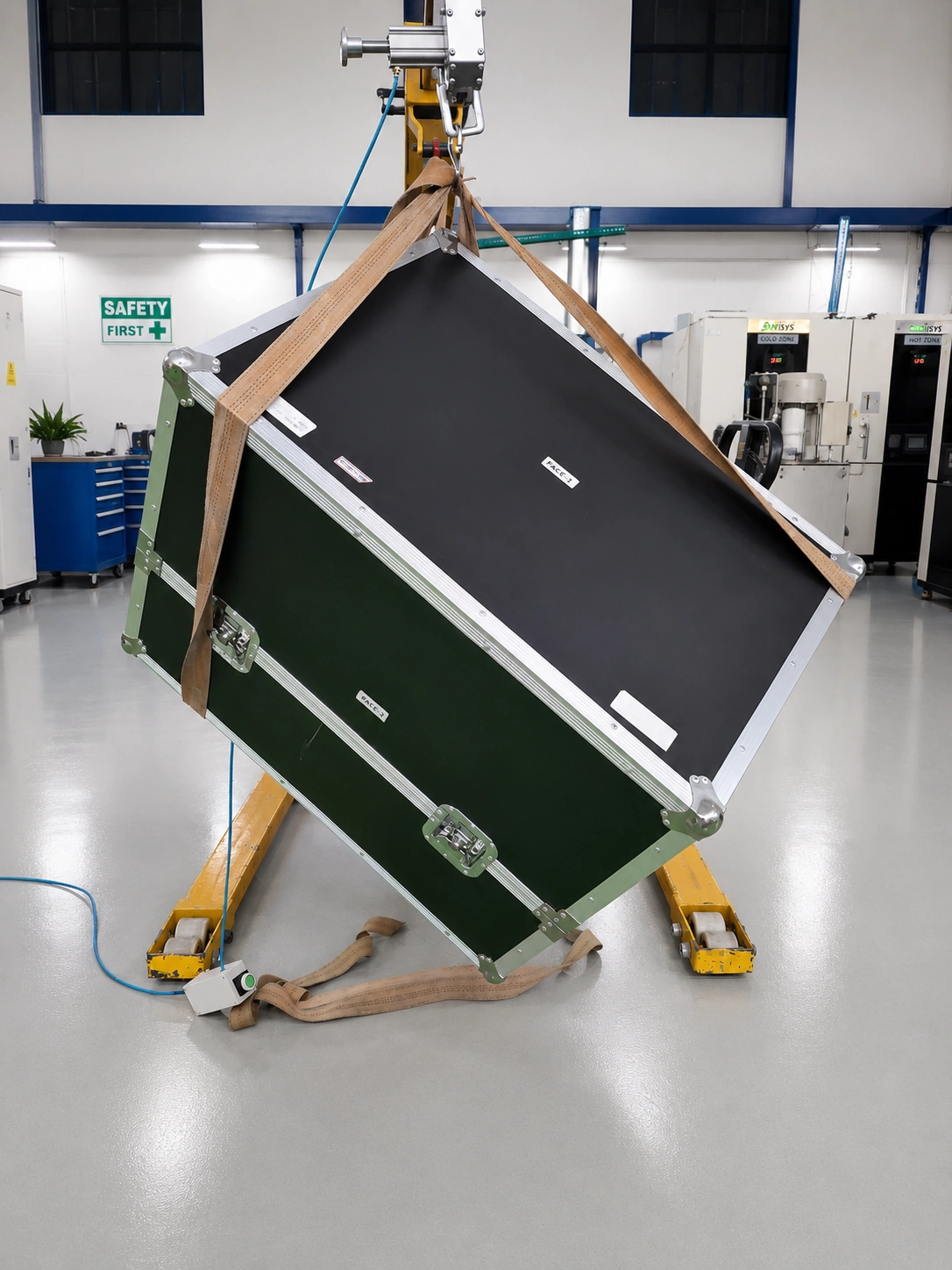
Toppling Testing is conducted to evaluate a product’s stability and resistance to tipping over when subjected to external forces.
During the test, a controlled force is applied to the product while it is placed on a representative operating surface. The test determines whether the product remains stable or tips over under specified conditions.
Toppling testing is particularly important for products with a high center of gravity or tall structural configurations.
Typical products include:
- Electronic equipment enclosures
- Industrial control panels
- Communication equipment
- Defence systems
- Appliances
- Instrumentation equipment
- Consumer products
Why is Toppling Testing Required?
Toppling testing helps manufacturers:
- Verify product stability during normal operation
- Assess resistance to accidental tipping
- Improve product safety and user protection
- Evaluate structural balance and weight distribution
- Reduce risk of field failures and accidents
- Demonstrate compliance with applicable standards
Drop Testing, Bench Handling Testing and Toppling Testing are essential mechanical reliability evaluations that help manufacturers ensure product durability, safety and operational integrity under real-world handling and transportation conditions. These tests provide valuable insights into product robustness, enabling organizations to improve design quality, reduce field failures and meet stringent industry and regulatory requirements.