
Salt Spray / Fog Test
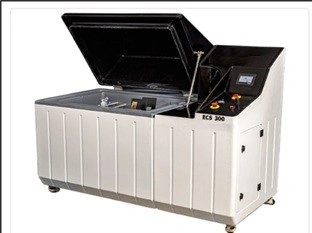
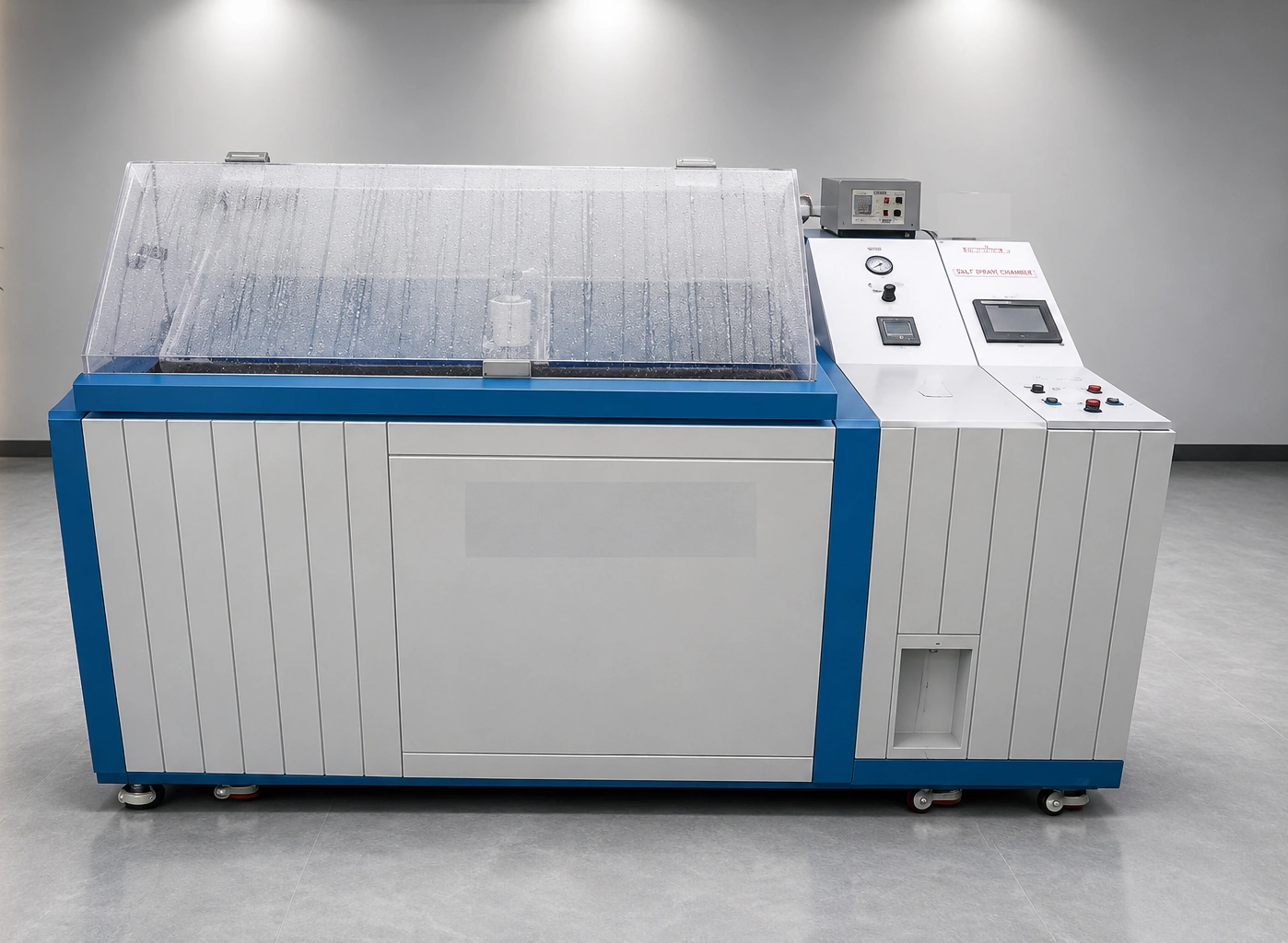
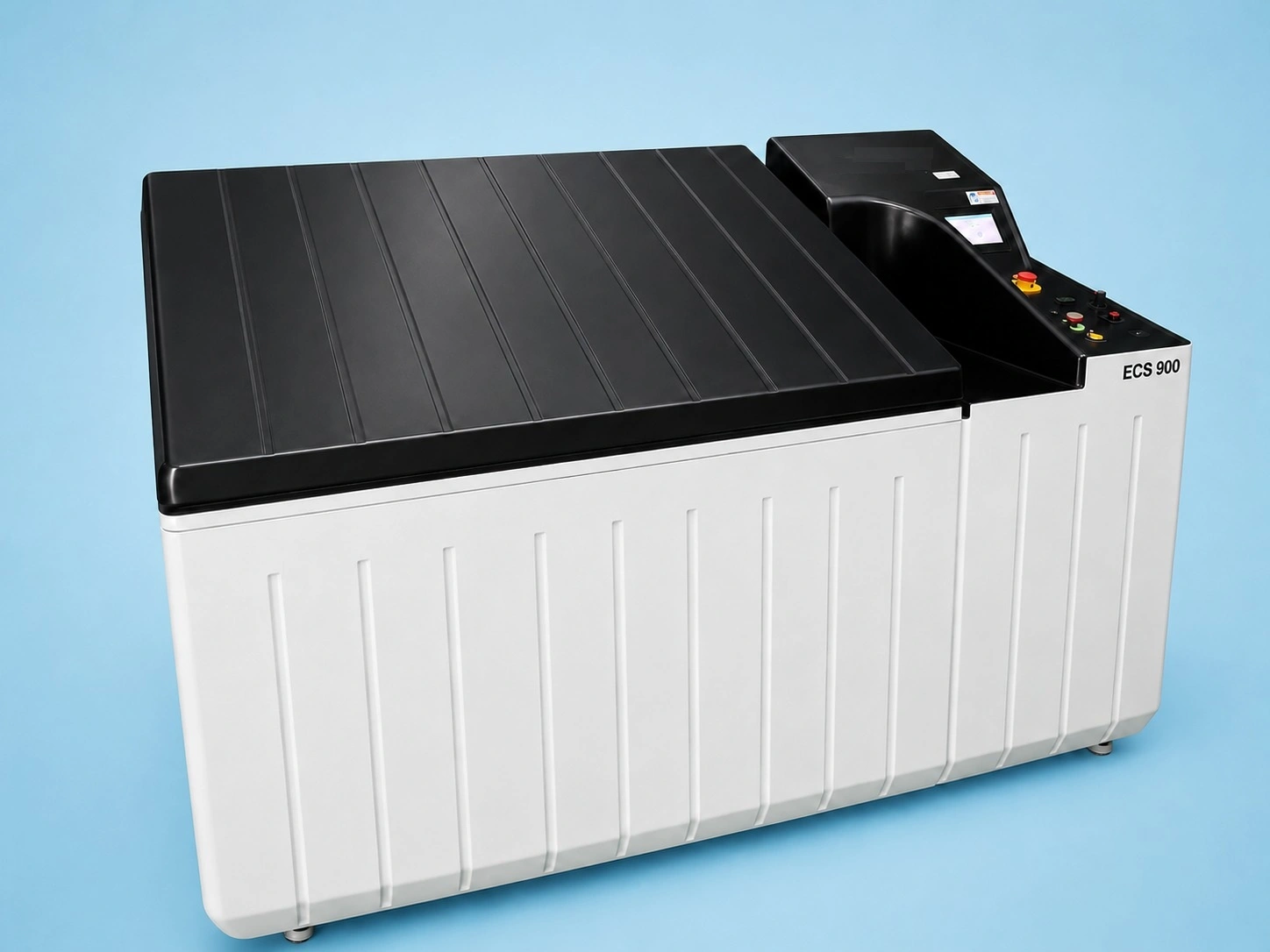
Specifications
| Salt Spray Chamber | |
|---|---|
| Total no. of chambers | 4 nos |
| Volume range | Upto 900 litres |
| Internal dimension range | 1350 X 800 X 850 mm |
| Temperature range (Salt spray) | Upto 50°C |
| Humidity range 1 |
Upto +70°C 45 to 95 %RH |
| Humidity range 2 |
Upto +50°C 95 to 100 %RH |
| Standard covered |
ASTM B117, ISO 9227, MIL-STD-810, JSS 55555, IEC 60068 series |
Case Studies
Introduction
Salt Fog (Salt Spray) Testing is a widely recognized environmental reliability test used to evaluate the corrosion resistance of materials, coatings, surface finishes, and assemblies when exposed to saline environments. The test simulates harsh marine and coastal conditions to assess a product’s ability to withstand corrosion-related degradation during its service life. This evaluation is particularly important for defense, aerospace, automotive, and industrial applications where equipment may be exposed to salt-laden atmospheres
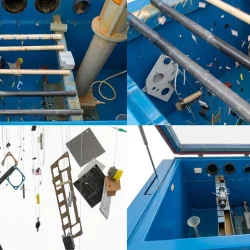
Salt Spray Testing
Objective
The objective of this Salt Fog Test was to assess the corrosion resistance of the submitted Contactor Box components by exposing them to a controlled salt fog environment as per customer requirements, with reference to MIL-STD-810G, Method 509.5. The test involved exposure to a salt fog atmosphere at 35°C followed by drying cycles, for a total test duration of 96 hours. The evaluation was intended to identify any signs of corrosion, rust formation, or physical deterioration resulting from prolonged exposure to a corrosive environment.
Key Result
The Salt Fog Test was successfully conducted on 76 submitted samples. Upon completion of the test, all samples were visually inspected. The inspection revealed that rust was observed on a few samples, while the remaining samples showed no visible rust formation. Detailed photographic records of both rusted and non-rusted samples were documented in the test report for further evaluation.